
Bay of Fundy
Our Marine work
Find us all over the coastline in Southwest New Brunswick researching fish communities, measuring water health, and listening to whale song.
Active Work

Marine Planning
The government of Canada has joined a global initiative and set a goal of conserving 30% of our marine and coastal areas by 2030. This project aims to make sure that local perspectives and community knowledge are included and considered during marine planning efforts for the outer Bay of Fundy.

Musquash Estuary Marine Protected Area
The Musquash Estuary is considered to be the largest ecologically-intact estuary in the Bay of Fundy. Through a great amount of community support, it was designated as a Marine Protected Area (MPA) in 2006. ECW Inc. is heavily involved in monitoring the health of the MPA through a biodiversity assessment program, a water quality monitoring program, and a porpoise population assessment effort.
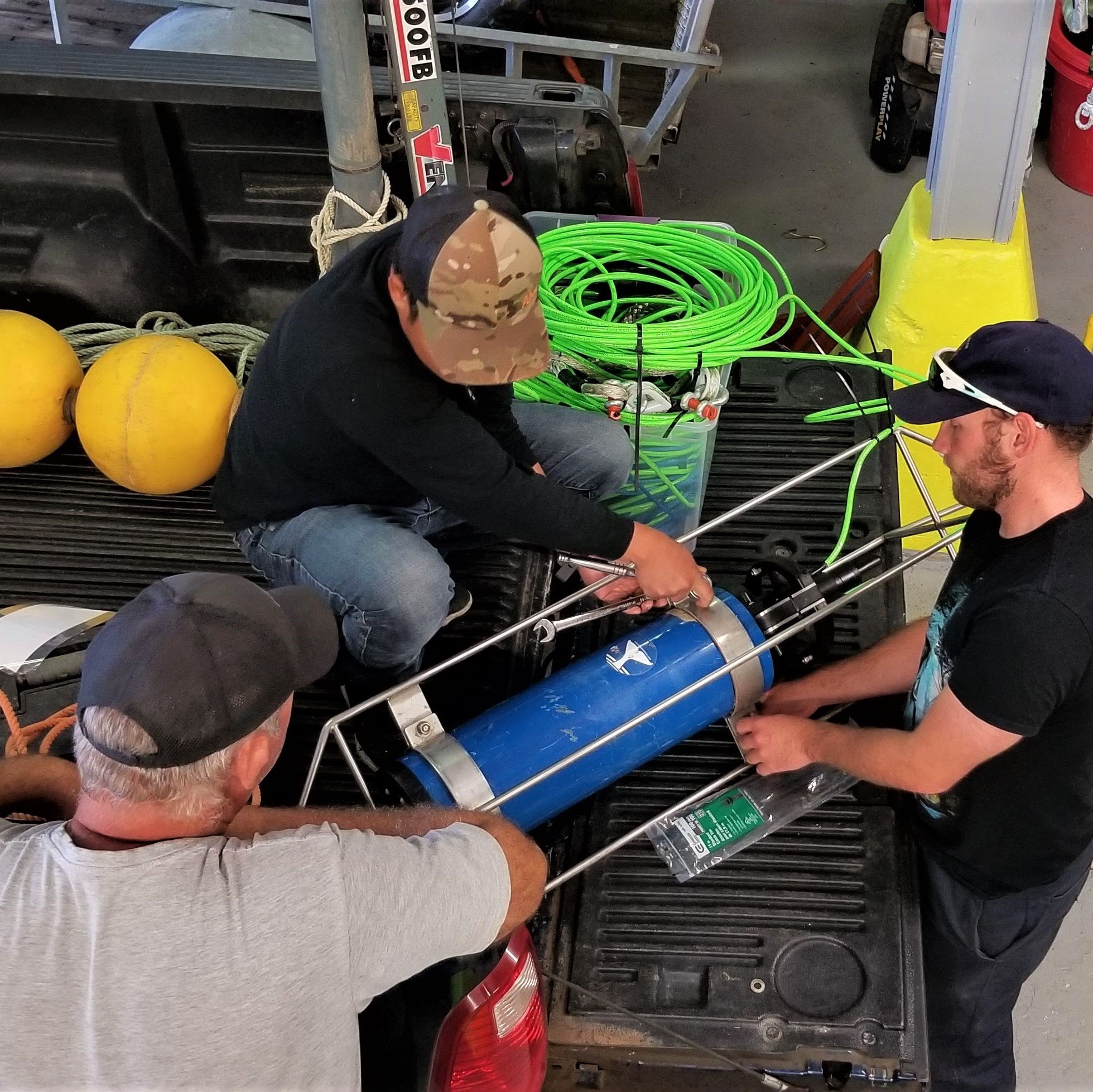
Underwater Noise
We’ve worked extensively since 2015 to learn about how our vessel use in the Bay of Fundy overlaps with whales’ communications with one another. Hear our recordings of whale songs, as well as read about our findings, in the link below!
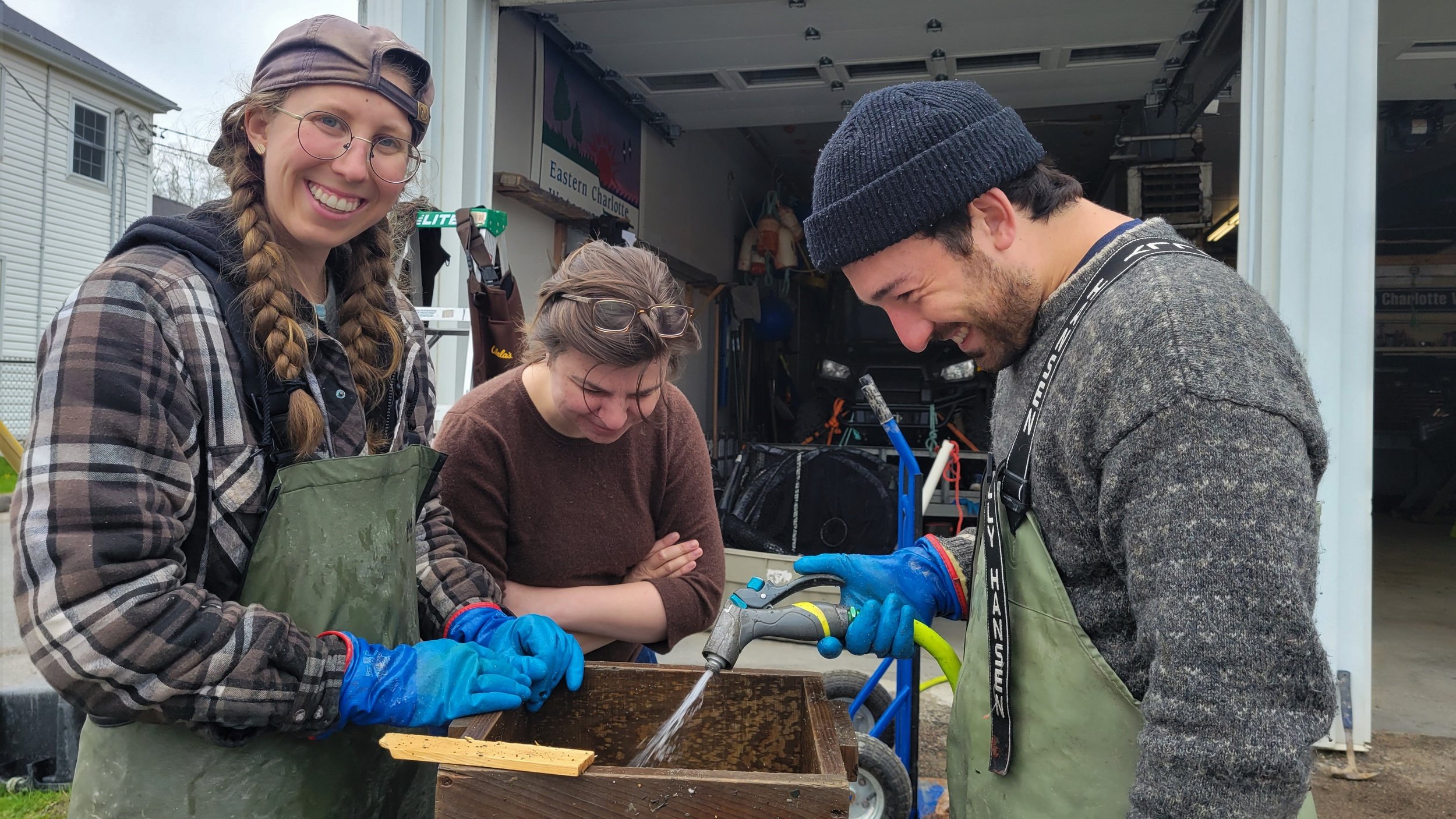
Softshell Clams
Soft-shell clams (Mya arenaria) are a significant cultural and economic component of North Eastern coastal communities like Maine and New Brunswick. As ocean water temperature warms, soft-shell clam populations face new challenges. ECW has teamed up with industry and research partners to find out how to sustain the population and industry.
Project Archive

Bay of Fundy Estuaries
In 2013, we partnered with the Gulf of Maine Council on the Environment's Ecosystem Indicator Partnership to collect water samples from southwestern New Brunswick estuaries and analyzed for eutrophication indicators including nitrogen, phosphorous, and chlorophyll a. In 2015, that work was expanded to the entire Bay of Fundy, including the Chignecto Basin, the Minas Basin, and, in partnership with the Clean Annapolis River Project, the Annapolis Basin. Each summer, water samples were collected from 20 monitoring sites in each estuary and sent to the lab for analysis. Results informed a followup project in 2018 that investigated identified hotspots with further testing in the watersheds that feed those hotpots. These results will prioritize sites for remediation. A remediation demonstration site was established in the Annapolis watershed by CARP.
The Bay of Fundy estuary project has received support from Environment and Climate Change Canada.